

A structured, documentation-driven approach to settlement and mediation, aimed at avoiding unnecessary litigation, saving time and cost, and reaching outcomes that can be enforced.
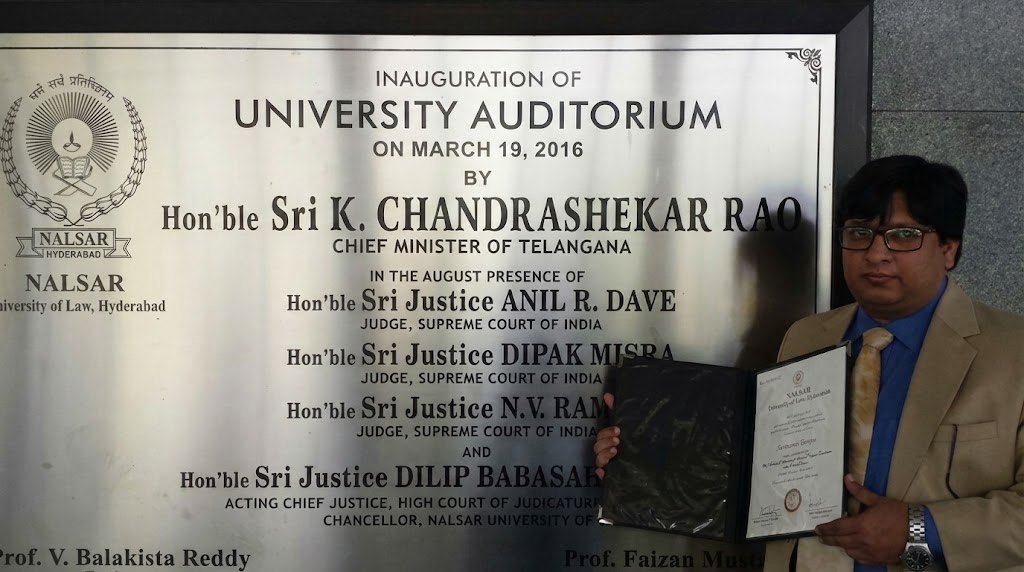
The firm’s mediation practice draws on Adv. Anshuman Chopra’s postgraduate training in Family Dispute Resolution and Alternative Dispute Resolution at NALSAR University of Law, and on Adv. Harsangeet Kaur’s work as a mediator.
Key areas
- Pre-litigation mediation
- Matrimonial mediation
- Mediation in pending court proceedings
- Family settlement agreements
- Commercial settlement negotiations
- Valuation-based dispute resolution
Topics in this area
Plain-language guides: who can file, where, the time limit, documents and procedure.
How it works
Case assessment
We review your objectives, legal position and risks before the other side is contacted.
First communication
A carefully worded letter inviting the other party to talk, meant to lower hostility.
Mediation sessions
Structured sessions on the core issues, with clear timelines.
Drafting
Settlement deed, compromise terms or mutual consent terms, with supporting affidavits.
Recording before the court
The settlement is presented to the court for withdrawal, compromise decree or quashing, where applicable.
The law
Courts encourage settlement at every stage. Section 89 of the Code of Civil Procedure allows courts to refer disputes to mediation, and family courts are required to attempt settlement in matrimonial cases. The Mediation Act, 2023 provides a statutory framework for mediation, including pre-litigation mediation. Court-annexed mediation centres operate at the High Courts and district courts.
Time and cost
Can avoid years of litigation.
Confidentiality
Keeps personal and family matters private.
Control over the outcome
The parties shape the agreement themselves.
Relationships
Reduces hostility, which matters in family disputes.
Where the firm practises
Supreme Court of India
Appeals, special leave petitions and other matters before the Supreme Court.
Punjab & Haryana High Court
Chamber No. 108, New Chambers Block, Chandigarh.
Courts and tribunals across India
District courts, family courts, consumer commissions and tribunals, with coordination for matters in other states.
Offices
Chandigarh (High Court and District Courts), Karnal (Haryana) and Nabha (Punjab).
Questions people ask
General information, not legal advice for your case.
Is a settlement reached in mediation binding?
What if the other party refuses to mediate?
Can mediation be used after a case is filed?
Is what is said in mediation confidential?
Discuss your matter with the firm
Consultations at the Chandigarh chambers, by phone or by video call, by appointment.